
Meghalaya Travel Guide: Living Root Bridges, Cherrapunjee & Dawki
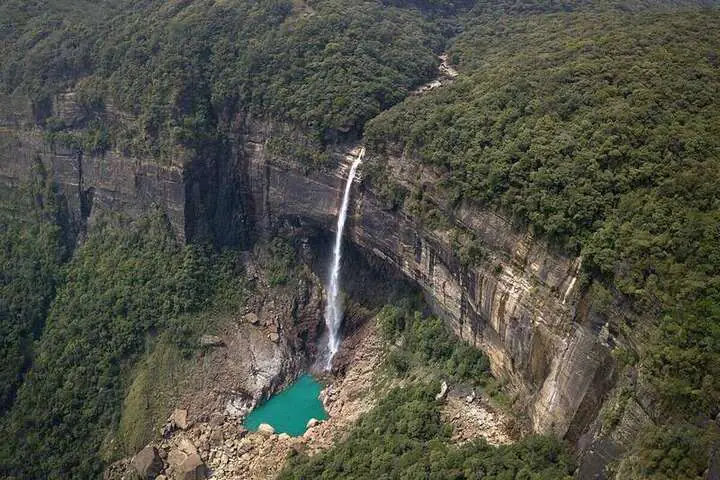
Meghalaya, the "Abode of Clouds," is one of the most spellbinding destinations in Northeast India. Framed by pine-covered hills, plunging waterfalls, and living root architecture, it offers a refreshing blend of tribal culture and raw nature.
How to Reach: Fly into Guwahati Airport (GAU) or arrive at Guwahati Railway Station. From Guwahati, Shillong is a smooth 3-hour drive along a 4-lane highway. From Siliguri, Guwahati is easily reached by daily Vande Bharat or express trains (5.5 hrs).
Top Highlights in Meghalaya: 1. Shillong: The lively capital, famous for Ward’s Lake, Don Bosco Indigenous Museum, Police Bazar shopping, and vibrant live music culture. 2. Cherrapunjee (Sohra): The land of rainfall records, featuring Nohkalikai Falls (India’s tallest plunge waterfall), Mawsmai limestone cave, and the Seven Sisters Falls. 3. Nongriat Double Decker Living Root Bridge: Grown by Khasi tribes from the aerial roots of Ficus elastica trees over centuries. 4. Dawki & Umngot River: Famous for water so crystal-clear that boats appear to hover in mid-air. 5. Mawlynnong: Celebrated as Asia’s cleanest village with manicured gardens and tree-house viewpoints.
Permits: Indian citizens do not require any Inner Line Permit to visit Meghalaya. Valid photo ID is required for hotel check-ins.
Iconic Sights: Living Root Bridges of Nongriat
Hidden deep in the lush jungle valley below Cherrapunjee, the Double Decker Living Root Bridge at Nongriat is an architectural marvel created by indigenous Khasi tribes. Tree roots of the Ficus elastica are trained over generations across roaring streams.
The hike involves descending approximately 3,500 stone steps from Tyrna village (about 2.5 hours down and 3 hours back up). Travelers can swim in natural turquoise pools near Rainbow Falls.
Dawki & The Crystalline Waters of the Umngot River
Bordering Bangladesh, Dawki is world-famous for the Umngot River, where the water is so extraordinarily transparent during winter (November to April) that wooden boats appear suspended in mid-air. Camp on pebble riverbeds in Shnongpdeng for kayaking and cliff jumping.
- ✓Stay 1 night near Mawlynnong or Shnongpdeng for calm early-morning boat rides
- ✓November to early April offers peak water clarity before monsoon silt enters
- ✓Combine Dawki seamlessly with Mawlynnong Cleanest Village & Krang Shuri Falls
Practical Meghalaya Itinerary Planning & Packing Checklist
A balanced Meghalaya circuit spans 5 Nights / 6 Days departing Guwahati Airport (GAU)—starting with 1 night in Shillong (Umiam Lake & Ward’s Lake), 2 nights in Cherrapunjee (Nohkalikai Falls, Mawsmai Cave, Wei Sawdong & Nongriat Root Bridge trek), 1 night around Dawki/Mawlynnong, and returning via Laitlum Canyon or sacred Mawphlang forest before departure.
Pack sturdy non-slip hiking shoes for wet mossy steps, a compact umbrella or breathable rain jacket even outside monsoon season, swimwear for Krang Shuri turquoise plunge pools, and light woolens for brisk Shillong nights between November and February.
Best Seasons, Khasi & Jaintia Waterfall Trails, and Offbeat Canyons
Travelers planning Meghalaya can split their experience cleanly between two distinct seasonal moods: October through April brings bright cerulean skies, pleasant 12°C–22°C afternoons, crisp views across Bangladesh floodplains from Dawki and Laitlum Grand Canyon, and transparent emerald boating on the Umngot River. June through September showcases thunderous water curtains plunging down Cherrapunjee cliffs, though outdoor ridge viewpoints regularly experience rolling mountain clouds.
Beyond the famous Nohkalikai and Seven Sisters viewpoints, ask your Siliguri/Guwahati itinerary coordinator to weave in Jaintia Hills highlights such as Krang Shuri Waterfall’s sunlit cobalt lagoon, Phe Phe Falls twin cascades, and Arwah Cave limestone fossil passages. Staying in eco-resorts near Sohra and riverside camps at Shnongpdeng minimizes daily highway driving while giving families unhurried morning hours at each trailhead before day-trippers arrive from Shillong.
For multi-generational families flying into Guwahati (GAU), keeping driving blocks under 3 to 4 hours per day ensures comfortable rest stops at Umiam Barapani Lake and Mawkdok Dympep Valley Viewpoint, while evening bazaars along Shillong Police Bazar offer warm Khasi hospitality, live folk music cafés, and convenient local dining without rushing back late along winding valley roads.
- ✓Stay in Sohra (Cherrapunjee) instead of Shillong for waterfall sightseeing without traffic delays
- ✓Start Dawki Umngot boating before 9:30 AM for tranquil photos in glassy morning light
- ✓Keep cash handy for rural village parking tolls, eco-park entries, and trail guides
Frequently Asked Questions
Q: Do Indian tourists need permits to travel in Meghalaya?
No Inner Line Permit (ILP) is required for Indian citizens visiting Meghalaya. Only standard photo ID is needed at hotels.
Q: Is Meghalaya comfortable for senior citizens who cannot climb 3,500 steps in Nongriat?
Yes! Seniors and families with toddlers can skip the deep Nongriat Double Decker stair trek and instead enjoy an easy 10–15 minute forest stroll to the scenic Riwai Single Living Root Bridge near Mawlynnong.
Q: When are Meghalaya waterfalls at their best vs when is Dawki river clearest?
July–October showcases roaring waterfalls like Nohkalikai at massive monsoon flow, while November–March gives crystal-clear Dawki boating, bright blue skies, and comfortable trekking weather.
Planning a Trip to the Himalayas?
Let our local destination team in Siliguri craft an authentic itinerary with guaranteed mountain views, authorized border permits, and dedicated vehicles.
Explore Destination Hubs & Matching Tour Packages
Related Travel Guides
Kaziranga Safari Guide: Elephant Rides, Jeep Zones & Timings
Read Guide →