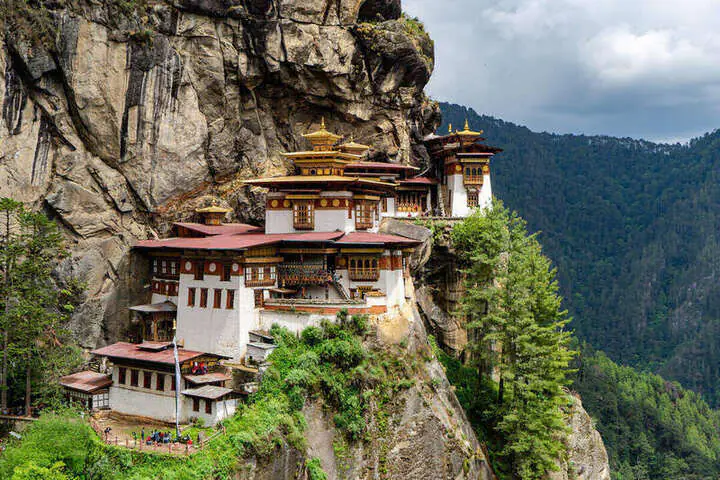
Best Time to Visit Sikkim: Season-by-Season Weather & Sightseeing Guide
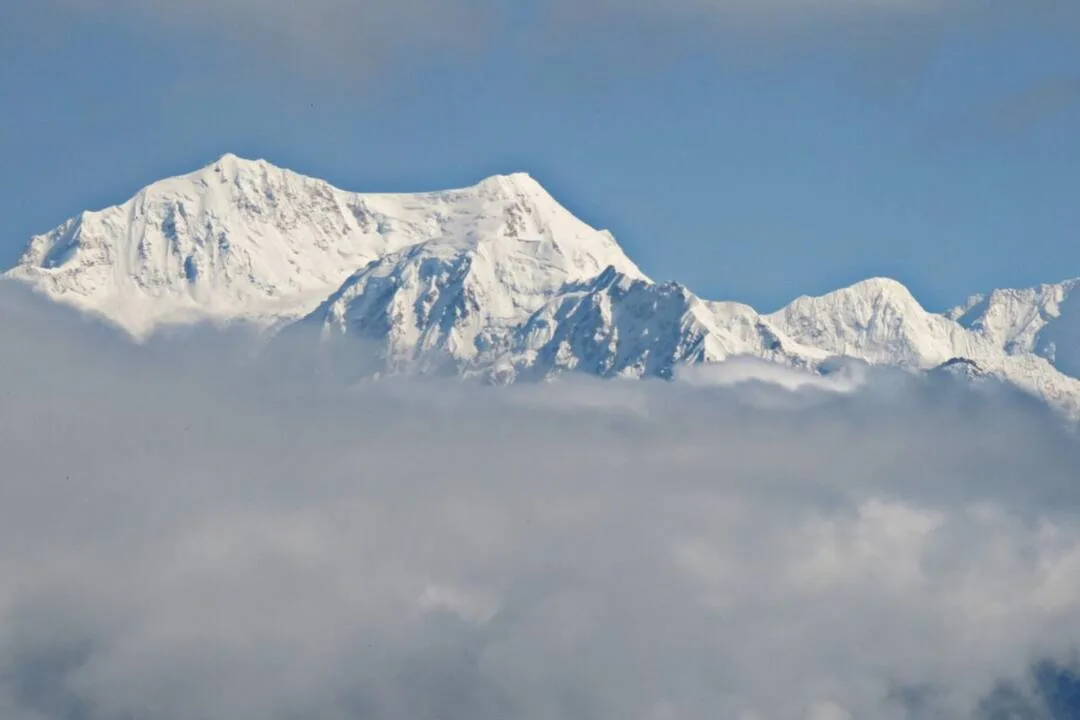
Planning a trip to Sikkim depends heavily on what you want to experience: whether it is walking among blooming rhododendron forests, gazing at unobstructed views of Mount Kanchenjunga, or playing in thick snowfields at high passes.
Spring (March to May): Widely considered the best overall season to visit Sikkim. Temperatures in Gangtok range from 12°C to 20°C. In North Sikkim, Yumthang Valley and Barsey Rhododendron Sanctuary burst into a tapestry of red, pink, and white blossoms. Roads to Tsomgo Lake and Nathula Pass are generally clear and accessible.
Autumn (October to November): The absolute best time for mountain photography and unobstructed views of Mt. Kanchenjunga. With the monsoon departing in late September, the mountain air becomes crystalline and crisp. High-altitude passes like Gurudongmar Lake and Nathula enjoy sunny, dry days with stunning blue skies.
Winter (December to February): Ideal for winter wonderland lovers and snow chasers. High-altitude destinations including Tsomgo Lake, Lachen, Lachung, and Yumthang receive regular snowfall. Gangtok remains cool (4°C to 12°C), offering great cultural experiences and quieter tourist spots.
Monsoon (July to September): The Eastern Himalayas experience heavy rainfall. While lush green and tranquil, landslides along NH 10 can cause travel delays. We recommend planning for spring or autumn for first-time visitors.
Spring (March to May): Blooming Rhododendrons & Mild Weather
Spring is universally favored by families, couples, and nature enthusiasts traveling to Sikkim. As winter recedes, daytime temperatures in Gangtok and West Sikkim hover comfortably between 12°C and 20°C.
The biggest highlight of spring is the vibrant floral bloom. Yumthang Valley in North Sikkim transforms into the "Valley of Flowers," carpeted with over 24 species of wild rhododendrons, primulas, and alpine flora. Clear morning skies afford panoramic views of Mt. Kanchenjunga before gentle afternoon mountain mists roll in.
- ✓Ideal temperatures for family sightseeing (12°C to 20°C in Gangtok)
- ✓Peak bloom in Yumthang Valley and Barsey Rhododendron Sanctuary
- ✓Tsomgo Lake and Nathula Pass generally open and clear of roadblock snow
Autumn (October to November): Crystal Skies & Peak Mountain Visibility
If your dream is to gaze at unobstructed, razor-sharp views of Mount Kanchenjunga and surrounding 8,000-meter peaks, autumn is the unrivaled choice. The departure of the monsoon in late September leaves the Himalayan atmosphere washed clean of dust and haze.
High-altitude expeditions to Gurudongmar Lake (17,800 ft), Kala Patthar, and Nathula Pass experience bright sunny days and azure skies. The cultural calendar is also vibrant, with festivals like Dashain and Diwali celebrated with festive fervor across mountain villages.
- ✓Sharpest mountain views of the year with virtually zero atmospheric haze
- ✓Dry, reliable road conditions along mountain corridors
- ✓High demand period: advance booking of mountain taxis and hotels recommended
Winter (December to February): Snow Chasing in High Valleys
Winter in Sikkim brings frosty chills and snowfalls to elevations above 9,000 ft. While Gangtok remains cool and clear (4°C to 12°C), high-altitude destinations such as Tsomgo Lake, Baba Mandir, Lachen, Lachung, and Yumthang frequently experience snow.
Couples and honeymooners who enjoy cozy fireside evenings and snowy mountain scenery will find winter enchanting and notably less crowded than spring or autumn.
- ✓Heavy snow at Tsomgo Lake, Lachung, and Zero Point
- ✓Crisp, uncrowded streets along MG Marg in Gangtok
- ✓Heavy woolens, thermal innerwear, and windproof parkas required
Monsoon (July to August): Lush Green Hills & Practical Travel Advisories
During the monsoon, Sikkim receives abundant rainfall that feeds thunderous waterfalls like Seven Sisters and Bakthang. While the countryside is lush green, travelers must note that landslides on NH 10 along the Teesta River can cause road diversions and travel delays.
For travelers prioritizing road reliability and high-altitude border passes, spring and autumn remain the safest options. Always check real-time road status with your local Siliguri tour coordinator before starting hill transit.
Month-by-Month Altitude & Packing Checklist for Sikkim Holidays
Because Sikkim climbs from 1,000 ft along the Teesta riverbanks at Rangpo up to 17,800 ft near Gurudongmar Lake, temperatures vary dramatically within a single morning drive. Even in warm April or October sunlight, high mountain passes like Tsomgo Lake and Nathula Pass experience brisk alpine winds.
Carry layered thermals, a windproof fleece jacket, UV sunglasses for snow glare, lip balm, sunscreen, and a valid original Voter ID or Indian Passport at all times. Keeping a flexible morning schedule between Siliguri, Gangtok, and North Sikkim allows unhurried acclimatization across every season.
- ✓Layer clothing cleanly rather than packing single heavy coats for changing hill elevations
- ✓Carry original Voter ID or Passport plus 4–6 photos for high-altitude permit counters
- ✓Allow a buffer morning before evening Bagdogra flight or NJP train departures
Frequently Asked Questions
Q: Which month has the best snow in Sikkim?
January and February offer the most consistent snow cover at high-altitude spots such as Tsomgo Lake, Zero Point (Yumesamdong), Katao, and Lachen.
Q: Are permits required to visit Tsomgo Lake and Nathula Pass?
Yes, protected area permits are mandatory for Indian nationals visiting Tsomgo Lake, Baba Mandir, and Nathula Pass. Holiday Planners manages the complete permit paperwork with the army and police authorities in Gangtok.
Q: Is Sikkim safe to visit for elderly travelers and kids in spring?
Yes, spring (March to May) features mild temperatures, gentle walks along MG Marg, and comfortable hotel stays, making it the most suitable season for multi-generational families.
Planning a Trip to the Himalayas?
Let our local destination team in Siliguri craft an authentic itinerary with guaranteed mountain views, authorized border permits, and dedicated vehicles.
Explore Destination Hubs & Matching Tour Packages
Related Travel Guides
The Ultimate Sikkim Itinerary: 5, 7 and 9-Day Circuits from Siliguri
Read Guide →
Best Time to Visit Darjeeling: Weather, Tea Harvest & Mountain Views
Read Guide →