Best Time to Visit Darjeeling: Weather, Tea Harvest & Mountain Views
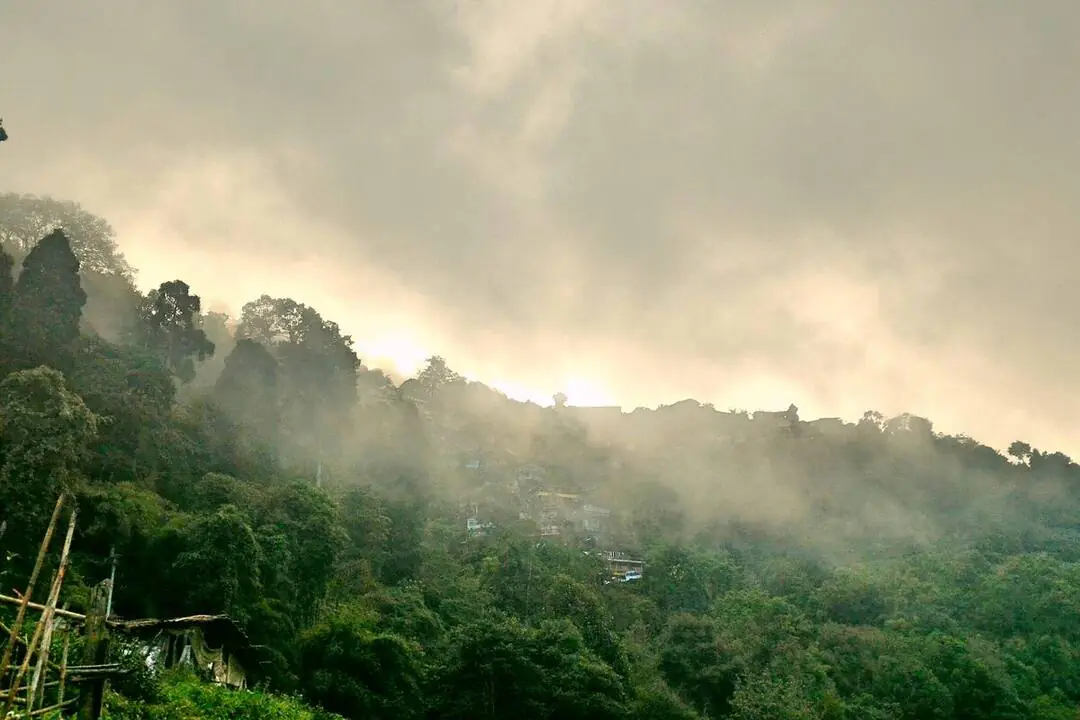
Perched at an elevation of 6,700 feet in the lower Himalayas, Darjeeling—the celebrated "Queen of the Hills"—is renowned worldwide for its aromatic orthodox tea estates, colonial-era heritage, the UNESCO World Heritage Toy Train, and jaw-dropping vistas of Mount Kanchenjunga (8,586 m).
Choosing when to visit depends heavily on your vacation priorities: whether you want to witness first-flush tea plucking among misty emerald terraces, watch the fiery golden sunrise over Kanchenjunga from Tiger Hill with razor clarity, or snuggle beside colonial hearths in heritage bungalows during the winter chill.
Spring (March to May) and Autumn (October to November) stand out as the two undisputed peak travel seasons, offering mild weather and the clearest mountain horizons.
Winter (December to February) brings crisp, chilly days and festive colonial charm with fewer crowds, while Monsoon (June to September) reveals lush green hills shrouded in romantic mist, albeit with frequent rain showers and occasional highway detours.
Spring (March to May): Blooming Rhododendrons & Famous First Flush Tea
Spring is universally celebrated as one of the best times to experience Darjeeling in full bloom. Daytime temperatures range pleasantly between 11°C and 19°C, providing comfortable conditions for outdoor walks along Mall Road (Chowrasta) and Observatory Hill without the biting winter chill.
March marks the beginning of the legendary "First Flush" tea harvest. Tea bushes wake from winter dormancy to produce tender young shoots loaded with floral aroma. Walking through estate trails at Happy Valley or Makaibari, you can observe skilled tea pluckers at work and experience tea factory tastings.
Magnolias, wild orchids, and vibrant red and pink rhododendrons color the hillsides around Senchal Wildlife Sanctuary and Lloyd Botanical Garden. Clear early mornings offer reliable conditions for Tiger Hill sunrises, with temperatures warming pleasantly by mid-day.
- ✓Pleasant temperatures (11°C to 19°C) ideal for family walks and heritage sightseeing
- ✓Active First Flush tea plucking across historic tea estates
- ✓Rhododendrons and magnolias blooming throughout mountain slopes
Autumn (October to November): The Gold Standard for Mountain Clarity
For travelers whose primary dream is to behold the snow-clad majesty of Mount Kanchenjunga, autumn is the undisputed gold standard. By late September, the southwest monsoon departs, taking atmospheric dust and moisture with it.
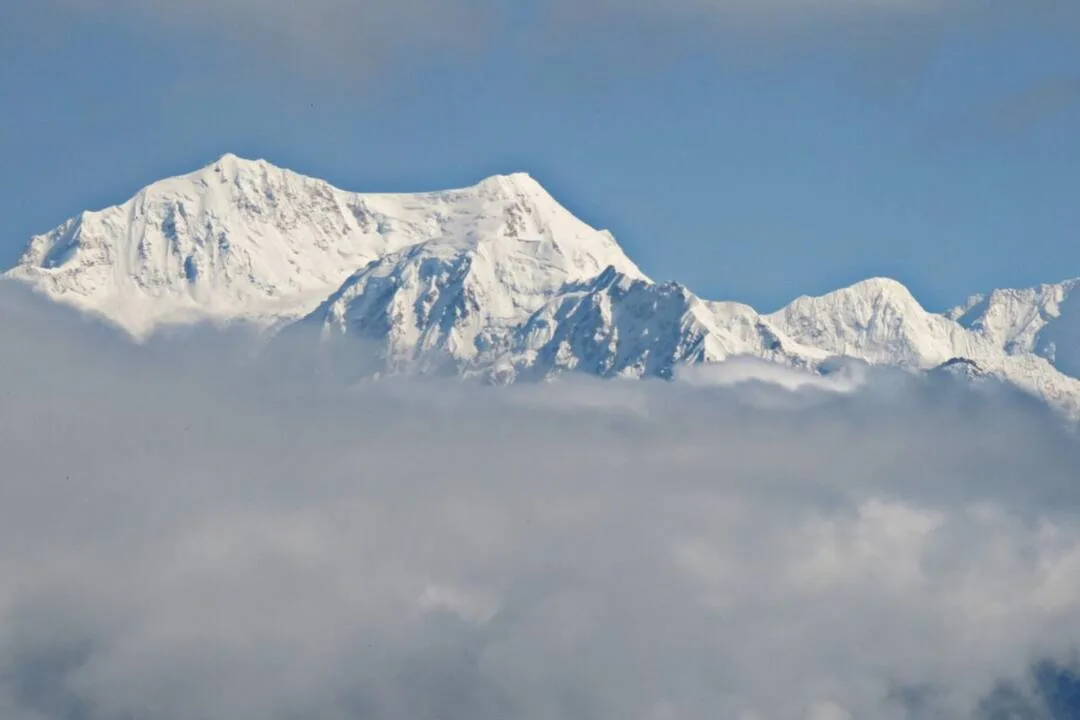
October and November bring crystalline skies, crisp breezes, and temperatures oscillating between 8°C and 17°C. The iconic 4:00 AM excursion to Tiger Hill provides breathtaking clarity: you can watch the first rays of dawn turn the eastern face of Mt. Kanchenjunga from pale violet to molten amber and dazzling white.
This is also Darjeeling’s festive season. Colorful celebrations of Dashain (Durga Puja) and Tihar (Diwali) fill Chowrasta with local music, smiling faces, and traditional Gorkha hospitality. Because this is the busiest window of the year, reserving private cabs and valley-view hotels 4 to 8 weeks in advance is highly advisable.
- ✓Highest percentage of clear sky days throughout the calendar year
- ✓Unobstructed views of Mount Kanchenjunga and Himalayan peaks
- ✓Vibrant autumn festivals and festive atmosphere on Mall Road
Winter (December to February): Crisp Mornings, Colonial Nostalgia & Quiet Hills
As December arrives, temperatures drop to between 2°C and 10°C, and night temperatures occasionally touch near freezing at high points like Tiger Hill and Ghoom. For travelers who enjoy crisp mountain air, heritage charm, and unhurried exploration, winter is deeply rewarding.
Darjeeling’s colonial heritage shines brightest in winter. Mornings begin with piping hot Darjeeling tea on sunlit balconies, followed by pastries at historic Glenary’s Bakery and breakfasts at Keventer’s open-air terrace. Tourist crowds thin out significantly, giving you unobstructed access to the Himalayan Mountaineering Institute (HMI), the Padmaja Naidu Himalayan Zoological Park (home to snow leopards and red pandas), and the Darjeeling Ropeway.
Practical note on snowfall: While romanticized in media, snowfall in the central town of Darjeeling is rare and unpredictable, typically occurring once or twice in January or February during passing Western Disturbances. Higher ridges such as Sandakphu, Phalut, and Tiger Hill receive more frequent winter dustings.
- ✓Quiet streets, zero tourist rush, and authentic colonial hill ambiance
- ✓Crisp, sunny days with cozy fireside evenings
- ✓Heavy winter woolens, thermal innerwear, and warm gloves are essential
Monsoon (June to September): Misty Romance & Off-Season Serenity
From mid-June through early September, the Eastern Himalayas receive heavy rainfall. Dense monsoon clouds drift silently through colonial pine forests and sweep across Chowrasta, wrapping the town in an ethereal, moody veil.
While outdoor sightseeing and long-distance mountain panoramas are obscured by cloud cover, monsoon Darjeeling holds unique appeal for poets, writers, and budget-conscious travelers. The tea hills turn an electric emerald green, and luxury heritage hotels offer attractive off-season rates.
Practical mountain safety consideration: Monsoon downpours can trigger mudslides along the Rohini, Pankhabari, or NH 10 mountain corridors connecting Siliguri with Darjeeling. While local authorities and Border Roads teams clear routes swiftly, always check current hill highway advisories with our Siliguri operations desk before departing.
- ✓Deep green tea gardens and serene, low-crowd atmosphere
- ✓Significant off-season discounts on heritage boutique hotels
- ✓Keep buffer time for road travel due to rain-induced traffic detours
Practical Darjeeling Travel Planning Guide
How to Reach: Darjeeling is located approximately 68 km from Siliguri, Bagdogra Airport (IXB), and New Jalpaiguri Railway Station (NJP). The drive ascends from the Dooars plains through lush foothills and Kurseong via Rohini Road or Hill Cart Road, typically taking 3 to 3.5 hours in a private taxi.
Toy Train Joy Rides: The steam-powered Darjeeling Himalayan Railway (DHR) joy ride between Darjeeling and Ghoom is a UNESCO World Heritage experience. Tickets must be booked in advance via IRCTC, especially during peak spring and autumn periods.
Clothing Essentials: Mountain weather changes swiftly. Even in May, evenings can feel brisk. Pack layers—a windbreaker, light fleece for daytime, and thermal wear if traveling between November and February.
Frequently Asked Questions
Q: Which month offers the clearest views of Mount Kanchenjunga from Darjeeling?
October and November provide the most consistent clear skies and crispest views of Kanchenjunga, followed closely by March and April.
Q: Does it snow in Darjeeling town during winter?
Snowfall in Darjeeling town is infrequent and not guaranteed every year. It typically occurs only during severe cold waves in late December or January. Higher nearby altitudes like Sandakphu receive regular winter snow.
Q: When is the best season for tea garden tours and factory visits?
March to May (First Flush) and June to July (Second Flush) are the prime tea plucking seasons. Factory processing and guided tea tastings are active from March through November.
Q: How long does it take to travel from Siliguri or Bagdogra Airport to Darjeeling?
A private cab transfer takes approximately 3 to 3.5 hours for the 68 km scenic climb via Rohini Road. Holiday Planners provides direct airport and NJP station pickups with verified mountain drivers.
Planning a Trip to the Himalayas?
Let our local destination team in Siliguri craft an authentic itinerary with guaranteed mountain views, authorized border permits, and dedicated vehicles.
Explore Destination Hubs & Matching Tour Packages
Related Travel Guides
Best Time to Visit Sikkim: Season-by-Season Weather & Sightseeing Guide
Read Guide →Darjeeling Itinerary: Complete 3 to 4-Day Sightseeing Guide
Read Guide →