
Best Time to Visit Darjeeling & Sikkim: A Season-by-Season Travel Breakdown
Planning a trip to the Eastern Himalayas often comes down to one question: When is the best time to visit? Here is a month-by-month honest breakdown from our Siliguri-based travel planners.
Spring (March to May): This is the king of blooming seasons. The slopes of Yumthang Valley in North Sikkim and Barsey Rhododendron Sanctuary in West Sikkim burst into vibrant reds, purples, and pinks. Temperatures in Darjeeling hover around 12°C to 19°C—ideal for sightseeing.
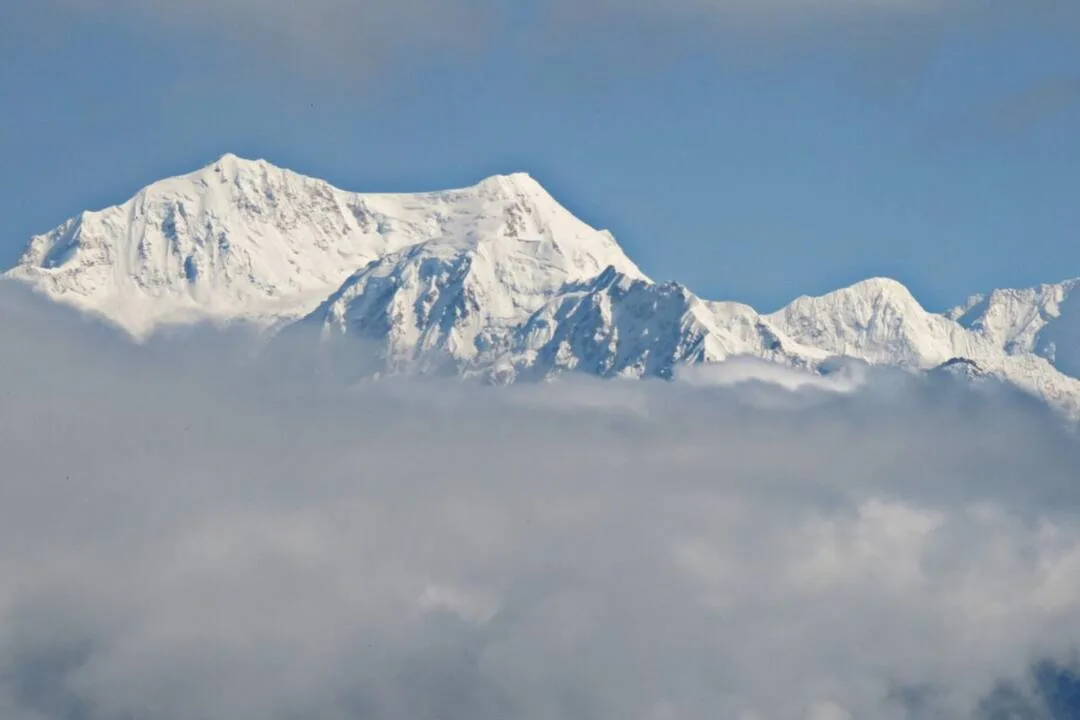
Autumn (October to November): The monsoon wash clears away all atmospheric haze, offering the crispest, most jaw-dropping views of Mt. Kanchenjunga. Tiger Hill sunrises are at their absolute peak clarity.
Winter (December to February): Cold and crisp. High-altitude spots like Tsomgo Lake, Gurudongmar, and Lachung receive heavy snowfall, transforming the mountains into a magical white wonderland. Perfect for snow enthusiasts!
Comparative Season Overview: Darjeeling vs. Sikkim
While Darjeeling and Sikkim are neighboring regions, their elevations differ significantly. Darjeeling town sits at 6,700 ft, offering moderate temperate mountain weather. In contrast, Sikkim ranges from subtropical valleys (Rangpo, 1,000 ft) to extreme alpine heights (Gurudongmar, 17,800 ft).
Spring offers the best overall experience for combining both destinations on a single 6 to 8-day circuit, while Autumn brings unmatched Kanchenjunga visibility.
- ✓October–November: Crystalline Kanchenjunga peaks from both Tiger Hill and Pelling
- ✓March–May: Pleasant daytime family weather + Yumthang Valley blooms & First Flush tea
- ✓December–February: Heavy snow in North Sikkim & Tsomgo Lake; crisp quiet streets in Darjeeling
Month-by-Month Packing & Road Reliability Advisory
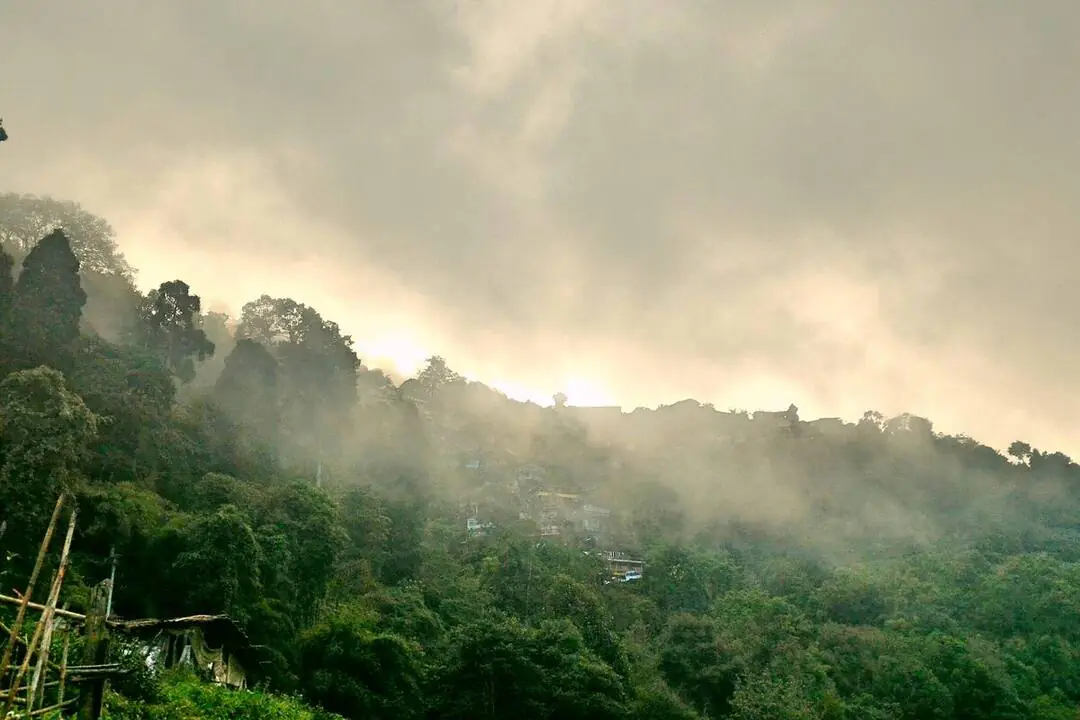
Between mid-June and mid-September, southwest monsoon rains blanket the Eastern Himalayas, turning hillsides lush emerald while occasionally triggering landslides along NH 10 Teesta Highway or North Sikkim roads. Travelers choosing monsoon travel should focus on lower-elevation Darjeeling, Kalimpong, or Gangtok with flexible road buffers.
During winter (December to February), pack thermal innerwear, windproof jackets, wool caps, and warm gloves—especially when visiting Tsomgo Lake, Nathula Pass, or Lachung where windchill temperatures dip well below freezing.
Quarter-by-Quarter Breakdown: Weather Across Towns, Tea Gardens & Passes
March to May (Peak Spring): Darjeeling stays between 11°C and 19°C while Gangtok ranges from 12°C to 21°C, creating ideal daytime weather for family sightseeing, MG Marg evening walks, and Happy Valley tea factory visits. Simultaneously, Yumthang Valley in North Sikkim bursts with crimson and pink rhododendrons while snowbanks still linger above 13,000 ft near Zero Point and Tsomgo Lake.
June to September (Lush Green Monsoon): Rainfall peaks across July and August, draping tea estates in clouds and swelling mountain waterfalls like Seven Sisters and Bakthang. Travellers comfortable with misty skies enjoy attractive low-season resort tariffs in Darjeeling, Kalimpong, and Gangtok while skipping high-altitude landslide zones.
October to November (Autumn Clarity) & December to February (Snow Winter): October and November bring crystal-clear blue skies—consistently rated the finest calendar window for unobstructed Tiger Hill sunrises and Pelling Kanchenjunga panoramas. December through February rewards snow seekers at Tsomgo Lake, Lachung, and Zuluk while keeping downtown Darjeeling and Kalimpong quiet, sunny, and uncrowded for heritage bakery strolls.
- ✓Best All-Round Family Months: March–May & October–November across all altitude tiers
- ✓Best Guaranteed Snow Months: January–early March at Tsomgo, Zero Point & Lachung
- ✓Best Photography Light: Late September to early December morning skies
Ideal 6 to 8-Day Darjeeling & Sikkim Pairings From Siliguri / Bagdogra
Because NJP Railway Station and Bagdogra Airport (IXB) sit directly at the foothills between both regions, combining Darjeeling (2–3 nights) with Gangtok (3–4 nights) or Pelling (2 nights) avoids redundant travel days. In spring and autumn, start via Gangtok to gain gradual elevation toward Tsomgo Lake and North Sikkim, then conclude with relaxing heritage afternoons along Darjeeling Mall Road before a short 3-hour descent back to Siliguri.
Our Siliguri operations desk also monitors seasonal highway advisories along the Teesta River corridor, Kalimpong–Peshok tea valley link, and North Sikkim mountain axes every morning, automatically adjusting pickup departure windows or inter-town sightseeing sequencing whenever spring cloudbursts or winter frost affect early-morning mountain driving.
Frequently Asked Questions
Q: Can Darjeeling and Sikkim be visited in the same trip?
Yes, they are ideally paired together. Darjeeling to Gangtok takes approximately 3.5 to 4 hours by road, making combined 5N/6D or 6N/7D circuits our best-selling packages from NJP and Bagdogra.
Q: Which month is best for seeing snow on a combined Sikkim–Darjeeling tour?
January, February, and March provide the highest snow probabilities at Tsomgo Lake, Nathula Pass, Lachung, and Zero Point, paired with sunny crisp mornings in Darjeeling and Pelling.
Q: When should we avoid high-altitude North Sikkim due to weather?
Peak monsoon months (July and August) frequently experience highway diversions along the Mangan–Chungthang axis. Always verify live road conditions with our Siliguri desk before booking North Sikkim in summer rains.
Planning a Trip to the Himalayas?
Let our local destination team in Siliguri craft an authentic itinerary with guaranteed mountain views, authorized border permits, and dedicated vehicles.
Explore Destination Hubs & Matching Tour Packages
Related Travel Guides
Best Time to Visit Sikkim: Season-by-Season Weather & Sightseeing Guide
Read Guide →The Ultimate Sikkim Itinerary: 5, 7 and 9-Day Circuits from Siliguri
Read Guide →