
Best Time to Visit Bhutan: Festivals, Weather & Tiger’s Nest Hike
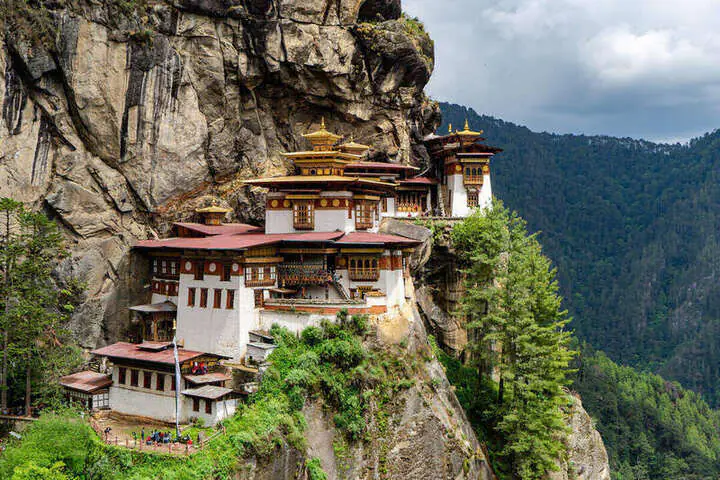
The Kingdom of Bhutan, the world’s only carbon-negative nation, experiences four distinct seasons across its high valleys. Choosing when to visit depends on whether your priority is attending vibrant monastic festivals (Tshechus), trekking to Tiger’s Nest in mild weather, or enjoying uncrowded valleys.
Spring (March to May): The most popular season to travel to Bhutan. The valleys of Paro, Thimphu, and Punakha come alive with blooming jacaranda, wild rhododendrons, and apple orchards. Spring is also the time of the world-famous Paro Tshechu, where sacred masked dances and the unfurling of the giant Guru Thongdrel silk tapestry take place. Temperatures range between 15°C and 22°C—ideal for hiking to Tiger’s Nest (Paro Taktsang).
Autumn (September to November): Characterized by crystal-clear blue skies, golden rice terraces awaiting harvest, and crisp mountain air. Major festivals such as the Thimphu Tshechu and the Black-Necked Crane Festival in Phobjikha Valley occur during autumn.
Winter (December to February): Winter brings dry, sunny days and cool nights. While high passes like Dochula can see light snow, lower valleys like Punakha (4,265 ft) remain pleasantly warm and sunny. Winter is also the quietest season, allowing travelers to experience Bhutan’s tranquil dzongs without crowds.
Summer / Monsoon (June to August): Heavy showers occur mainly in late afternoons and nights. While the valleys are intensely green, mountain roads from the southern border of Phuentsholing can face monsoon fog.
Spring (March to May): Monastic Festivals & Mild Alpine Climates
Spring is peak season for Bhutan. Blooming jacaranda trees illuminate the fortress walls of Punakha Dzong, while rhododendrons color the mountain passes. The mild weather provides comfortable conditions for the steep 4 to 5-hour hike to Paro Taktsang (Tiger’s Nest).
The Paro Tshechu festival, held in March or April, draws visitors from around the world to witness monks performing sacred masked Cham dances in colorful silk brocades.
Autumn (September to November): Golden Valleys & Thimphu Tshechu
With the end of summer rains, autumn brings crisp air, golden rice fields, and sharp views of Himalayan peaks like Jomolhari. The capital hosts the grand Thimphu Tshechu at Tashichho Dzong in September or October.
In November, the sacred endangered Black-Necked Cranes migrate from Tibet to the glacial valley of Phobjikha, celebrated with an annual community festival.
- ✓Dry sunshine and high visibility along Dochula Pass 108 Chortens
- ✓Prime hiking conditions for Paro Taktsang (Tiger’s Nest) Monastery trail
- ✓Vibrant cultural calendar featuring Thimphu Tshechu and Black-Necked Crane Festival
Winter (December to February) & Monsoon: Crowd-Free Dzongs vs Lush Rains
Winter across Thimphu and Paro brings crisp blue skies, dry daytime sunshine, and freezing nights occasionally dusted with snow on mountain ridges above 8,500 ft. Meanwhile, lower Punakha Valley stays comfortably warm and mild throughout winter—making it an ideal cozy honeymoon season with lower hotel rush.
Monsoon months (June to August) coat Bhutan’s pine slopes in deep moss and emerald mist, with showers generally falling in late afternoons. Note that mountain highways climbing north from Phuentsholing require cautious daytime driving during heavy July–August rain.
- ✓Pack insulated layers and thermal gloves for December–February evenings
- ✓Lower Punakha Valley remains sunny and warm even in peak January
- ✓Pre-book Thimphu & Paro festival hotels 2–3 months ahead during March/April & October
Month-by-Month Bhutan Temperature, SDF & Overland Transit Planning
Because most Indian families enter Bhutan overland via Jaigaon–Phuentsholing after landing at Bagdogra Airport (IXB) or New Jalpaiguri (NJP), seasonal road conditions along the foothills and Dochula Pass (10,170 ft) play a direct role in daily pacing. March through May brings 14°C–23°C daytime highs across Thimphu and Paro, whereas October through early December offers 10°C–18°C dry afternoons and dramatic snowcapped backdrops across 108 Chortens.
Regardless of travel month, Indian tourists pay the statutory Sustainable Development Fee (SDF) of ₹1,200 per adult per night (children aged 5–11 pay ₹600 per night) and travel with a certified Bhutanese guide and local vehicle from Phuentsholing border gate onward. Coordinating documents early with our Siliguri Bhutan desk avoids immigration queues at peak holiday weekends.
- ✓Reserve Bhutan immigration permits and SDF receipts before arriving at Phuentsholing
- ✓Carry original Passport (6+ months valid) or Voter ID Card; Aadhaar is not valid for adults
- ✓Punakha offers mild winter warmth around 16°C–20°C even when Paro dips near zero at night
Frequently Asked Questions
Q: Do Indian tourists need visas to visit Bhutan?
Indian tourists do not require a visa, but an Entry Permit is mandatory. A valid Indian Passport (with minimum 6 months validity) or Voter Identity Card is required. Holiday Planners pre-processes entry permits to ensure zero border delay.
Q: What is the Sustainable Development Fee (SDF) for Indians?
Indian nationals pay a discounted Sustainable Development Fee (SDF) of ₹1,200 per adult per night, and ₹600 per child aged 5 to 11.
Q: Can we hike up to Tiger’s Nest Monastery in winter or spring?
Yes! Paro Taktsang remains open year-round. Spring (March–May) and Autumn (September–November) offer the easiest trail traction, while crisp sunny winter mornings provide peaceful trails without afternoon rain.
Planning a Trip to the Himalayas?
Let our local destination team in Siliguri craft an authentic itinerary with guaranteed mountain views, authorized border permits, and dedicated vehicles.
Explore Destination Hubs & Matching Tour Packages
Related Travel Guides
Best Time to Visit Sikkim: Season-by-Season Weather & Sightseeing Guide
Read Guide →
Best Time to Visit Darjeeling: Weather, Tea Harvest & Mountain Views
Read Guide →